


26 Jun Analysis of Ball Losses in LaLiga Season 2023/24
Abstract
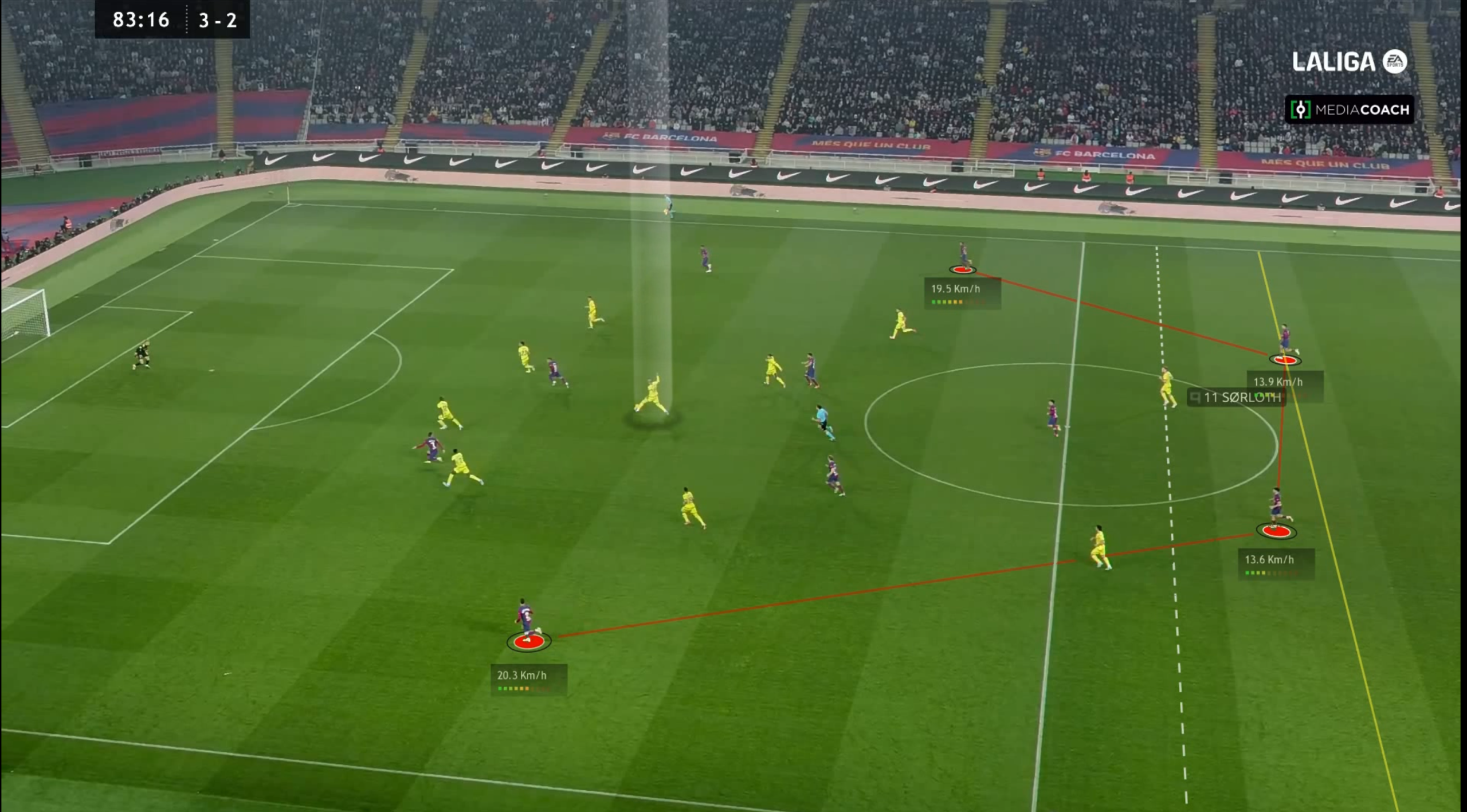
Ball loss is a critical event in football, forcing teams to quickly transition from offense to defense. This study analyzes ball losses in LaLiga during the 2023/24 season, investigating various metrics and factors associated with this phenomenon, such as age, position, dominant foot, and nationality of players. Additionally, it evaluates the relationship between ball losses and team performance, categorizing teams based on their ranking in European qualification or relegation positions. The results reveal significant patterns that can be utilized by coaches and analysts to optimize team performance.
Introduction
In football, ball loss is an event that can significantly impact the flow of the game and the final outcome of a match. Ball losses not only interrupt a team’s possession but also create opportunities for the opposing team, especially if they occur in critical areas of the field. This study focuses on analyzing ball losses in LaLiga during the 2023/24 season, exploring various metrics and factors that may influence the frequency and impact of these losses.
Methodology
For this analysis, data from LaLiga players during the 2023/24 season was used. Players with at least 900 minutes played were included to ensure fair and representative comparisons. Ball loss metrics were normalized per 90 minutes played to provide a uniform comparison. Additionally, ball losses aggregated at the team level were analyzed to see differences between teams qualifying for Europe, those relegated, and the rest of the teams.
Metrics analyzed:
- Quick ball losses (<5 seconds)
- Ball losses leading directly to an opponent’s counterattack phase
- Ball losses in open play
- Ball losses in open play in own half
- Ball losses in open play in opponent’s half
- Ball losses in open play in the defensive third
Results
Team performance and ball losses
Europe vs. All Other Teams:
- Quick ball losses (<5 seconds): There is a statistically significant difference between teams qualifying for Europe and the rest (p-value = 0.0396). Teams that qualify for Europe tend to have fewer quick ball losses.
- Other metrics show no significant differences.
Relegation vs. All Other Teams:
- None of the metrics show statistically significant differences between teams in relegation and the rest.
Age and ball losses
- Younger players (16-20 years old) lose the ball the most, averaging 4.84 ball losses in open play per 90 minutes.
- As players gain experience, ball losses decrease. However, there is a slight increase in ball losses in the 36-41 age group, possibly due to physical decline.
Position and ball losses
- Forwards and Attacking midfielders lead in ball losses across almost all categories. Forwards lose an average of 5.48 balls per 90 minutes in open play and 4.37 in the opponent’s half.
- Goalkeepers have the fewest ball losses, with only 1.45 ball losses in open play per 90 minutes.
Dominant foot
- No statistically significant differences were found in ball losses between right-footed and left-footed players, although there was a tendency for more ball losses among right-footed players.
Nationality
- Grouping players into Spanish and non-Spanish categories showed no significant differences in ball loss metrics, although Spanish players showed a slight tendency to lose more balls in open play.
Discussion
The results of this study reveal several interesting patterns regarding ball losses in LaLiga. Age and position on the field are significant factors, with younger players and those in offensive positions being more prone to losing the ball. Experience appears to reduce ball losses, although there is an increase among older players, which may be related to physical decline. Additionally, teams that qualify for Europe tend to have fewer quick ball losses, suggesting better management of pressure and ball possession.
These findings can be used by coaches and analysts to develop strategies to minimize ball losses and improve team performance. For instance, training young players in ball-handling techniques and decision-making can significantly reduce ball losses. Similarly, offensive positions may benefit from specific training to better manage pressure and maintain ball possession.
Conclusion
Ball losses in football are influenced by several factors, including age, position on the field, dominant foot, and nationality. This study provides a detailed insight into these factors in the context of LaLiga, offering valuable information to enhance training strategies and team performance. Teams that manage pressure better and have fewer quick ball losses have a significant competitive advantage, as reflected in their ranking.